March 17, 2026
Building a new garage is an exciting venture for any homeowner. Whether you're looking to protect your vehicles, gain extra storage space, or even create a workshop, planning is key to constructing garages that meet your needs. This post will delve into crucial considerations you should keep in mind before breaking ground on your new garage project.
In addition to functionality, a garage can serve as a valuable extension of your home, providing added convenience and enhancing overall property appeal. Many homeowners also find that a well-designed garage improves daily routines by offering organized spaces for tools, seasonal items, and outdoor equipment. With thoughtful preparation, your new garage can become a multipurpose investment that supports both your lifestyle and your home's long-term value.
1. Understanding Your Purpose
Before designing your new garage, it's crucial to understand its primary purpose. Some homeowners may need a simple single-car garage, while others might be looking for multi-purpose garages that include room for tools, storage, and workbench areas. Pinpointing how you will use your garage can significantly influence other aspects such as size, layout, and design. Be sure that your garage will serve your immediate needs and any foreseeable future requirements.
2. Determining the Size
Garage size is a fundamental factor in your planning process. Most importantly, your garage should comfortably accommodate the vehicles you intend to house. According to HomeGuide, a typical passenger car is about 14 feet long, while full-size pickup trucks, SUVs, and minivans usually measure between 18 and 22 feet. This dimensional knowledge helps ensure your project's spatial arrangement can accommodate both your current vehicles and any future purchases you might consider. Additional considerations include ceiling height, space for storage racks, room for doors to fully open, and potential upgrades such as overhead lifts or cabinetry systems, all of which can influence how effectively your garages function.
3. Taking Local Zoning Regulations Into Account
Before any construction begins, it's vital to be aware of local zoning laws and regulations. These laws can significantly impact your garage, dictating its size, placement on your property, and even its usage. Contact your local planning department to obtain the necessary permits and ensure your project complies with all regulations. Non-compliance can lead to fines or even legal action, throwing a wrench in your plans and your finances. Some communities also have architectural guidelines or setback requirements that determine how close structures can be to property lines, driveways, or neighboring homes. Understanding these rules early in the process will help you avoid costly revisions later.
4. Considering Accessibility and Convenience
Accessibility should be a major consideration when planning your new garage. Think about how it will integrate with your home's design and the ease of moving vehicles in and out. Your driveway's condition and orientation are also crucial; a poorly positioned garage can turn everyday parking into a nuisance. Furthermore, consider convenient access to your home or garden, as well as whether you need additional doors or pathways. Homeowners may also benefit from including features like motion-sensor lighting, wider entrances for easier maneuvering, or smart garage technology that improves security and ease of use, especially in garages designed for frequent use.
5. Integrating Value-Adding Features
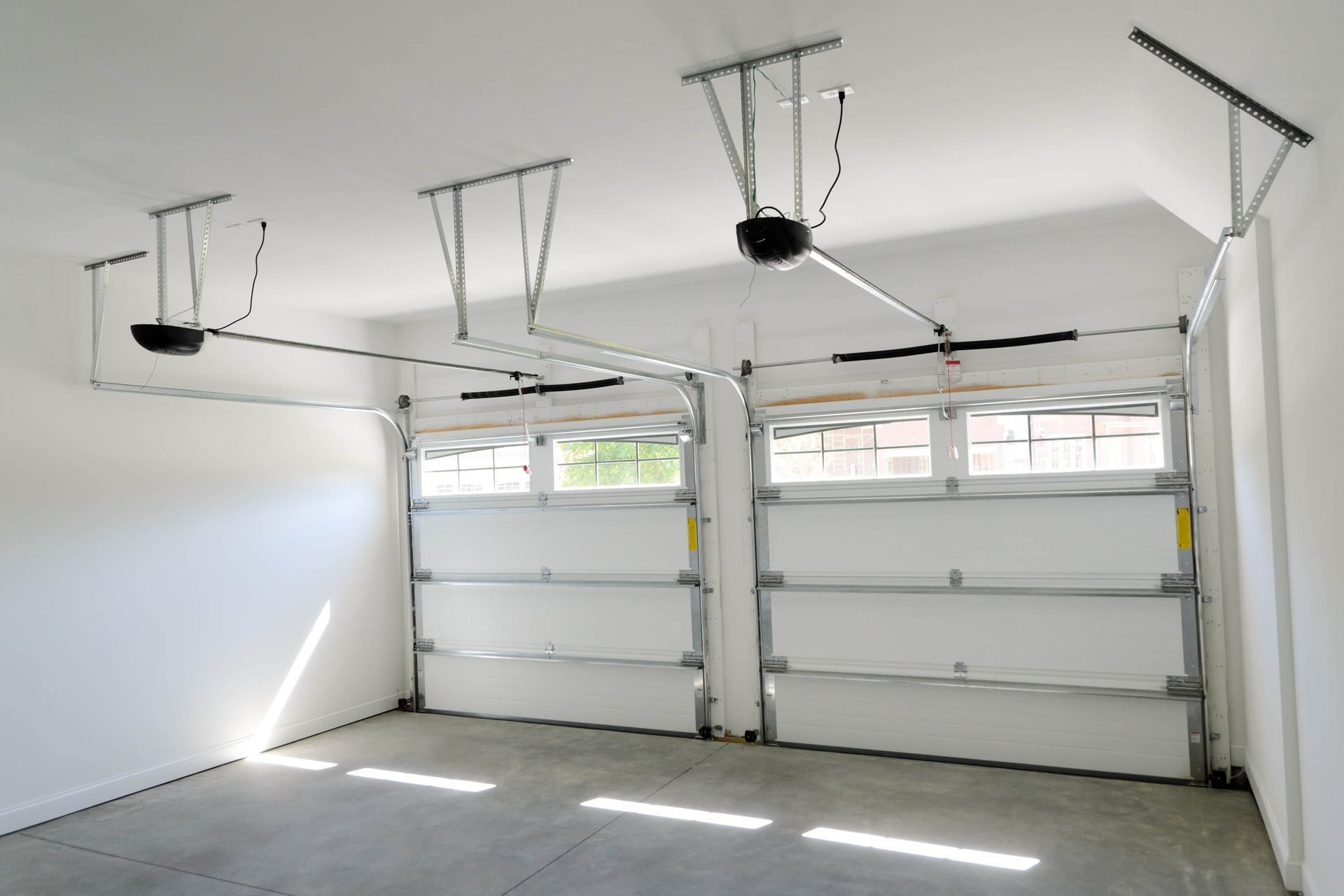
To maximize the benefits of your new garage, think about features that could add value to your property. Installing energy-efficient lighting and automatic doors can make the garage more functional. If extra storage is important, sophisticated shelving systems or an attic space might be worth investing in. Such features not only cater to your immediate convenience but can also become significant selling points if you ever decide to put your home on the market. Additional upgrades like insulated walls, durable flooring, and climate control can make your garage more versatile and comfortable throughout the year.
Building a new garage is a rewarding project that enhances your property both in utility and value. By carefully considering factors like the garage's purpose, size, and accessibility, you can ensure it meets current needs and adds to your home's future appeal. Remember to navigate zoning laws and incorporate thoughtful features that showcase your personal style and attention to detail. A well-planned garage is more than just a place for your vehicle; it’s an investment in your home’s long-term function and market value. With clear goals and proper planning, your garage can evolve into one of the most efficient and practical spaces on your property. Contact R & K Buildings Inc today to begin planning custom garages that suit your needs.